guide · Planet
Planet
Big Thicket: Texas's Amazing Nature Preserve
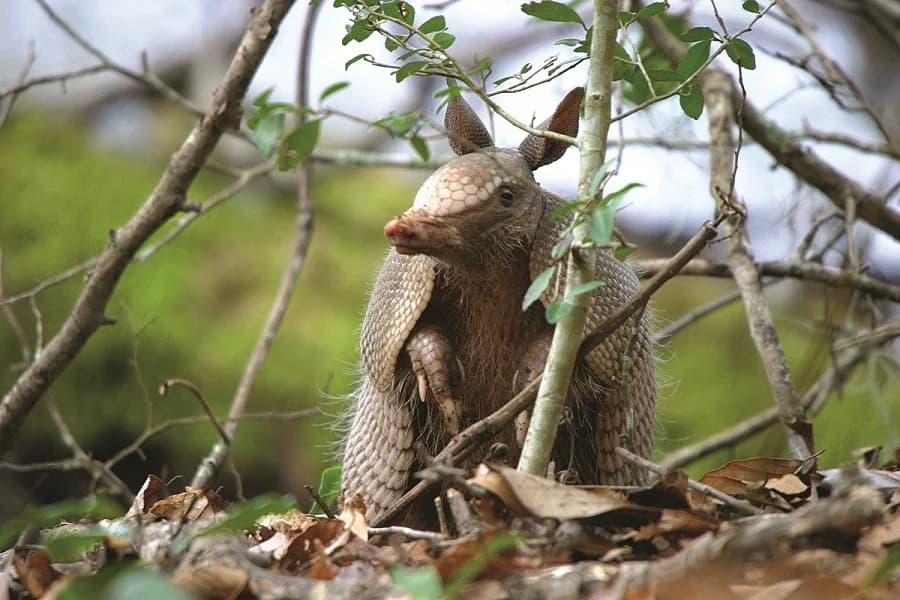
The Big Thicket is one of Texas's most important nature areas, covering over 113,000 acres in East Texas. Called an 'American ark' and 'the biological crossroads of North America,' this special place is home to an incredible variety of plants and animals. Over 1,300 types of plants grow here, along with 300 bird species, 86 reptiles and amphibians, and 60 mammals. The area includes swamps, forests, plains, and dry hills all in one place, creating perfect conditions for this amazing biodiversity. Established as a National Preserve by Congress in 1974, the Big Thicket attracts over 255,000 visitors each year who come to hike, camp, bird-watch, fish, and explore nature. The preserve includes nine land units and six water units with over 300 miles of waterways. Visitors can see everything from orchids to cactuses, beech trees to bald cypress, and roadrunners to alligators. The area has deep historical importance too - it was once underwater millions of years ago and was home to giant sloths and mastodons 10,000 years ago. Today, Alabama and Coushatta tribes live on a 4,300-acre reservation in the area. Houston Wilderness promotes this and nine other ecoregions around Houston to help people learn about and protect these natural treasures.
March 11, 2026·houstonwilderness.org
Article
The Big Thicket is one of Texas's most important nature areas, covering over 113,000 acres in East Texas. Called an 'American ark' and 'the biological crossroads of North America,' this special place is home to an incredible variety of plants and animals. Over 1,300 types of plants grow here, along with 300 bird species, 86 reptiles and amphibians, and 60 mammals. The area includes swamps, forests, plains, and dry hills all in one place, creating perfect conditions for this amazing biodiversity. Established as a National Preserve by Congress in 1974, the Big Thicket attracts over 255,000 visitors each year who come to hike, camp, bird-watch, fish, and explore nature. The preserve includes nine land units and six water units with over 300 miles of waterways. Visitors can see everything from orchids to cactuses, beech trees to bald cypress, and roadrunners to alligators. The area has deep historical importance too - it was once underwater millions of years ago and was home to giant sloths and mastodons 10,000 years ago. Today, Alabama and Coushatta tribes live on a 4,300-acre reservation in the area. Houston Wilderness promotes this and nine other ecoregions around Houston to help people learn about and protect these natural treasures.
Read the full guide
We found this for you at houstonwilderness.org
AI Summary
Let us break this down in plain language.
Also part of these destinations
“Simple pleasures are the last healthy refuge in a complex world. ”
-- Oscar Wilde.