report · Voice
Voice
How Peaceful Movements Create Change in Our Communities
Peaceful movements have shaped history and continue to strengthen communities today. Research by Harvard scientist Erica Chenoweth shows that nonviolent movements are twice as successful as violent ones at creating lasting change. Just 3.5% of people participating can tip the balance toward success. The guide explores 13 pathways for peaceful civic action, from voting and community organizing to food justice and disability rights. Examples include Gandhi's Salt March, the Civil Rights Movement, and the ADA movement where disabled people crawled up Capitol steps to demand equal rights. These movements succeed because they invite broad participation, maintain moral clarity, use strategic planning, and keep long-term vision. Anyone can participate - teachers can use storytelling, students can lead accessibility campaigns, faith leaders can organize community walks, neighbors can build mutual aid networks. The resource shows how peaceful resistance transforms laws, creates opportunities, and builds stronger democracies. It proves that ordinary people working together through nonviolent action can solve big problems like inequality, discrimination, and injustice in their communities.
March 5, 2026·The Change Lab·The Change Lab

Article
Peaceful movements have shaped history and continue to strengthen communities today. Research by Harvard scientist Erica Chenoweth shows that nonviolent movements are twice as successful as violent ones at creating lasting change. Just 3.5% of people participating can tip the balance toward success. The guide explores 13 pathways for peaceful civic action, from voting and community organizing to food justice and disability rights. Examples include Gandhi's Salt March, the Civil Rights Movement, and the ADA movement where disabled people crawled up Capitol steps to demand equal rights. These movements succeed because they invite broad participation, maintain moral clarity, use strategic planning, and keep long-term vision. Anyone can participate - teachers can use storytelling, students can lead accessibility campaigns, faith leaders can organize community walks, neighbors can build mutual aid networks. The resource shows how peaceful resistance transforms laws, creates opportunities, and builds stronger democracies. It proves that ordinary people working together through nonviolent action can solve big problems like inequality, discrimination, and injustice in their communities.
Read the full guide
We found this for you at The Change Lab
AI Summary
Let us break this down in plain language.
Related

VoiceLeadership Houston: Training Leaders to Make Houston BetterLeadership Houston is a special program that has been training community leaders since 1982. It brings together professionals from all kinds of jobs and backgrounds to learn about Houston's biggest challenges and how to solve them. The program lasts 10 months and covers important topics like healthcare, education, energy, fairness, and public safety. Participants meet with city decision-makers and build friendships across different industries and viewpoints. The goal is to create leaders who know more about their city and want to take action to help. Over 2,000 people have graduated from this program and continue working together on projects that make Houston stronger, more welcoming, and better prepared for challenges. Leadership Houston also offers community projects where groups work on real problems, leadership events that bring people together to discuss urgent issues, and ways for graduates to stay connected. The program focuses on bringing different people together, understanding how systems work, telling powerful stories, building community, and having respectful conversations even when people disagree. This helps create the kind of informed, connected leadership that can make real change happen in Houston.
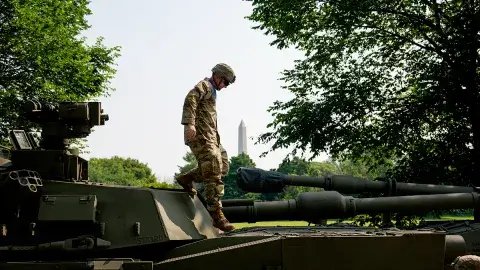
VoiceDaedalus Journal: War and American Democracy ResearchDaedalus is a scholarly journal published by the American Academy of Arts and Sciences that explores big questions about society. Their Fall 2025 issue examines how wars have shaped American democracy over time. The journal features essays by university professors and experts who study topics like how war has given more power to the president, how the Supreme Court handles security issues, and how war appears in movies and TV shows. Daedalus covers many subjects including democracy, justice, global affairs, and social health. Past issues have looked at changing rules of war, the common good in democracy, Indigenous knowledge, and immigration and race in America. This is an academic publication meant for scholars, researchers, and people who want to deeply understand complex social and political issues. Readers can browse current and past issues online, sign up for alerts about new publications, and donate to support the Academy's work.
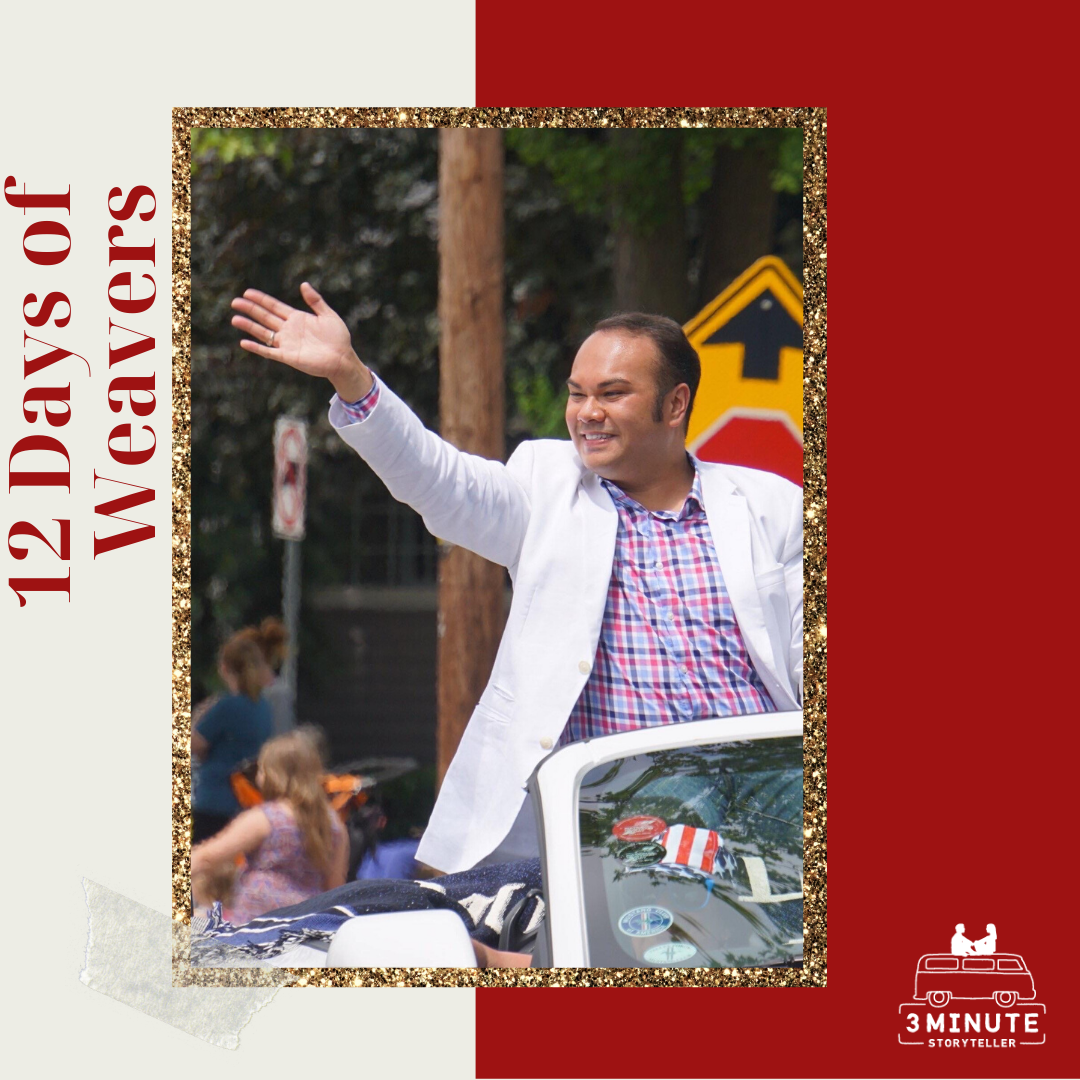
The Bigger WeStories of Community Builders Who Weave Neighbors TogetherThis article shares inspiring stories of three community builders from Phoenixville, PA who found ways to connect neighbors and strengthen their town. Maddie Goodwin started PXV Gives after the Women's March to help people find volunteer opportunities with local nonprofits. Julie Miller, an English teacher for immigrants, created a Spanish library and builds bridges between immigrant families and the community. Teresa Haag paints murals that bring beauty to the town and create spaces for neighbors to share stories. These 'weavers' show how regular people can make their communities stronger by building relationships and helping others get involved. Their work demonstrates that lasting change happens when neighbors know and care for each other. The stories are part of a series celebrating everyday people who create positive change in their communities through small but meaningful actions.
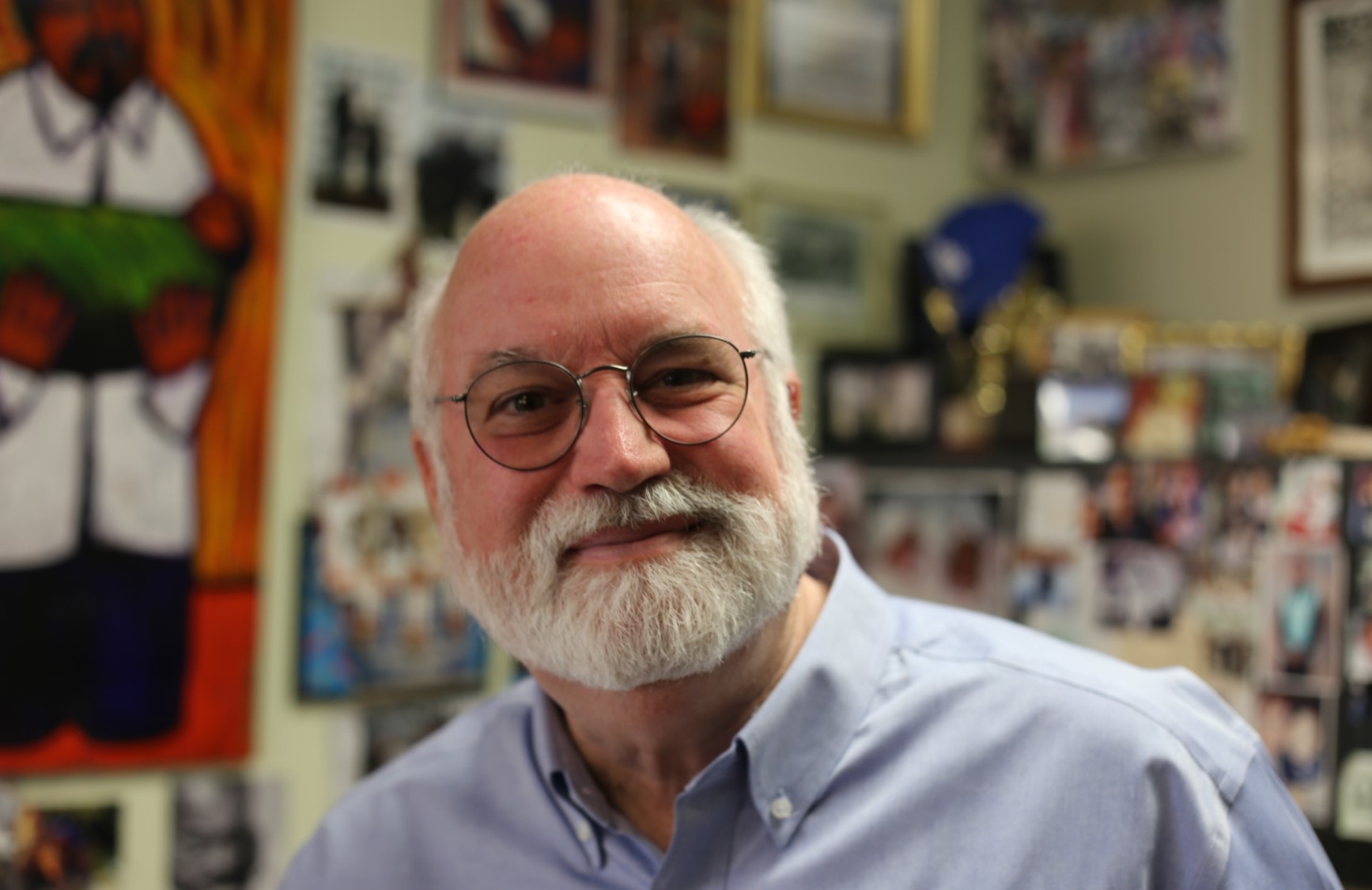
The Bigger WeFather Greg Shows How Community Heals Gang ViolenceFather Gregory Boyle runs Homeboy Industries, the world's largest program helping former gang members. He says gang violence comes from having no hope, and nobody who feels hopeful joins a gang. At Homeboy, people get job training, mental health help, and most importantly - hope and belonging. Father Greg believes you don't go to help people in tough situations to save them, but to be saved yourself. Every day starts with a family meeting where everyone feels welcomed. Former gang members learn skills and then help others, breaking the cycle of violence. The program creates a safe space where people feel loved and accepted just for showing up. Father Greg's approach shows that when we treat people with dignity and give them community, they can transform their lives and help others do the same. The story explains how radical love and acceptance can heal deep wounds and create lasting change in communities affected by violence.
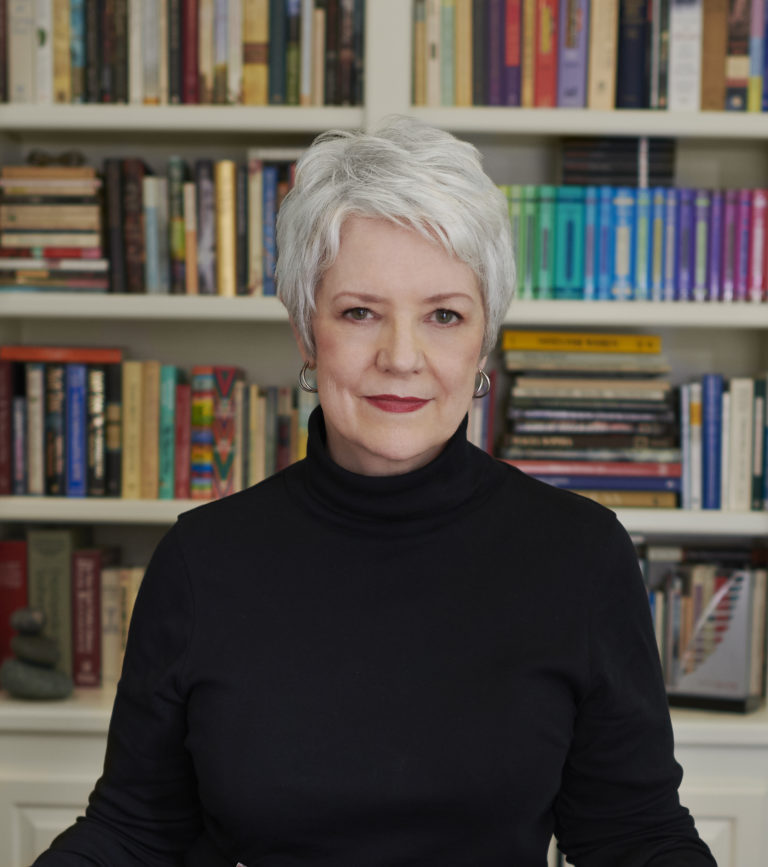
The Bigger WeAuthor Sue Monk Kidd on Finding Support to Live Your True SelfFamous author Sue Monk Kidd talks about how we need both personal strength and support from others to live our fullest lives. She wrote bestselling books like 'The Secret Life of Bees' and shares how her own journey from traditional Southern Baptist wife to successful author required both inner work and help from friends. In her latest book 'The Book of Longings,' she tells the story of Ana, who she imagines as Jesus's wife, and how Ana needs her Aunt Yaltha's support to find courage. Kidd believes we can't transform ourselves alone - we need what she calls 'Aunt Yalthas' in our lives, people who believe in us and bless our potential. She says American culture teaches us to be independent, but real growth happens in relationships. During tough times like COVID-19 and racism, we need each other even more. The key is finding people who support your dreams while also being willing to support others. This balance of personal growth and community support helps us become who we're meant to be.
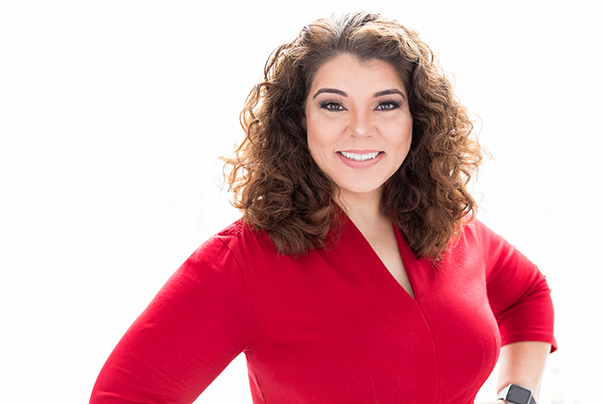
The Bigger WeHow True Listening Creates Stronger Connections Between PeopleNPR journalist and author Celeste Headlee explains how good listening can help people connect better with each other. In her book 'Do Nothing,' she talks about how modern life moves too fast and makes it hard to build real relationships. Headlee says humans became successful not because we're the strongest or smartest, but because we're good at talking and working together. She explains that we even evolved in ways that let us speak better, even though it made us more likely to choke on food. During COVID-19, when people couldn't be close to each other, this became even more important. Headlee teaches that the best way to change someone's mind isn't to argue with them, but to really listen and understand their feelings. She says every person deserves respect, even if we don't agree with their opinions. Good listening doesn't mean you agree with everything someone says. When we truly listen to others, we can build empathy and understanding. This can help heal our divided communities and bring people together, especially during hard times like the pandemic.
Go deeper
The Change Lab 2025 Annual Report: Building Civic Infrastructure Through Community Connection
“ THE CHANGE LAB A community of practice 2025 ANNUAL REPORT THE CHANGE LABthechangelab.net · A fiscally sponsored project of Impact Hub Houston · Page 1 of 2 We connect by serving and learning toget...”
p. 1Read more →
Social Connection in America: 2025 Survey Report on Community Bonds and Well-Being
“ 2025 Survey Report About This Project This survey will catalyze a broad and lasting impact—transforming how we define, prioritize, and support social connection in America. This survey is led by D...”
p. 1Read more →
The Connection Opportunity: Building Bridges Across Difference in America
“ March 2025 Insights for Bringing Americans Together Across Difference The Connection Opportunity 2More in CommonThe Connection Opportunity ABOUT MORE IN COMMON The report was conducted by More in ...”
p. 1Read more →