guide · The Bigger We
The Bigger We
Research Library on Political Division and How to Bridge Differences
The Listen First Project has created a comprehensive research library containing over 80 studies, reports, and articles about political division in America. This collection includes research from top universities, polling organizations, and think tanks that study why Americans seem so divided politically and what works to bring people together. The research covers topics like how much Americans actually disagree (less than we think), why we see the other political side as enemies, and proven methods for having better conversations across political differences. Studies show that Americans often overestimate how extreme the other side really is, and that simple activities like sharing personal stories can help people see those with different political views as human beings rather than enemies. The library includes research on depolarization strategies that actually work, such as face-to-face conversations, finding shared values, and focusing on local community issues rather than national politics. Many studies find that most Americans are actually tired of extreme political division and want to find common ground. The collection is organized by year and includes work from organizations like Pew Research, More in Common, and various universities. This resource is valuable for anyone wanting to understand the science behind political division and evidence-based approaches to healing our democracy.
March 11, 2026·www.listenfirstproject.org

Article
The Listen First Project has created a comprehensive research library containing over 80 studies, reports, and articles about political division in America. This collection includes research from top universities, polling organizations, and think tanks that study why Americans seem so divided politically and what works to bring people together. The research covers topics like how much Americans actually disagree (less than we think), why we see the other political side as enemies, and proven methods for having better conversations across political differences. Studies show that Americans often overestimate how extreme the other side really is, and that simple activities like sharing personal stories can help people see those with different political views as human beings rather than enemies. The library includes research on depolarization strategies that actually work, such as face-to-face conversations, finding shared values, and focusing on local community issues rather than national politics. Many studies find that most Americans are actually tired of extreme political division and want to find common ground. The collection is organized by year and includes work from organizations like Pew Research, More in Common, and various universities. This resource is valuable for anyone wanting to understand the science behind political division and evidence-based approaches to healing our democracy.
Read the full guide
We found this for you at www.listenfirstproject.org
AI Summary
Let us break this down in plain language.
Related
The Bigger WeStudent Reporters Bridge Divides Through Collaborative News StoriesNews Ambassadors connects student journalists from different political and geographic areas to work together on news stories. Students from places like rural Missouri and New York City partner up to report on community problems and solutions. The program teaches special reporting methods that focus on finding common ground instead of creating more division. Student reporters learn 'Solutions Journalism' - covering how communities solve problems rather than just reporting on what's wrong. They also learn 'Complicating the Narratives' - a way to report on controversial topics that helps people understand different viewpoints. The program pairs journalism schools with public radio stations across the country. Students get training, mentorship, and editing help from their professors. The best stories are broadcast in both partner locations, so communities with different political views can hear each other's perspectives. The program also trains radio stations to do 'Community-Responsive Reporting' - getting story ideas directly from community members, especially in rural and urban areas that don't get enough news coverage. This helps fill gaps in local news while giving student reporters real-world experience. The goal is to help Americans better understand each other across political divides and strengthen democracy through better journalism.

The Bigger WeHow Good Listening Builds Trust and Helps People Feel HeardThis guide teaches people how to be better listeners by showing what happens when you truly listen to someone. When you listen well, people feel comfortable talking to you and say things like 'You gave me your attention' or 'You didn't judge me.' Good listening means asking thoughtful questions, not interrupting, and helping people think through their ideas without making them feel bad. The article explains that when people can talk openly with you, it builds trust between you. From the listener's point of view, this trust gives you more influence with others. The guide comes from 8StepListen.com and focuses on practical listening skills that anyone can learn. These skills help in personal relationships, community work, and civic engagement where understanding different viewpoints is important.
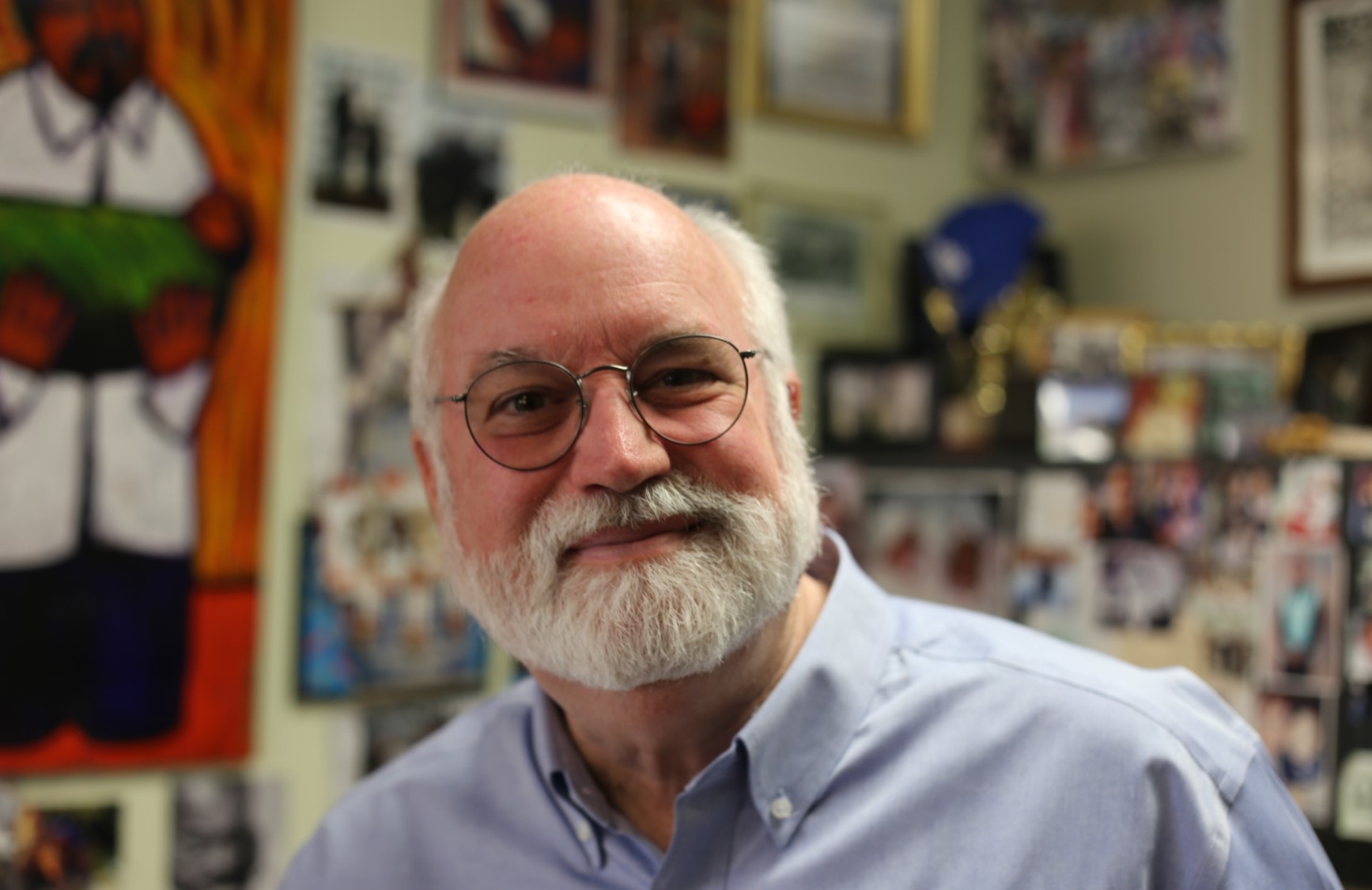
The Bigger WeFather Greg Shows How Community Heals Gang ViolenceFather Gregory Boyle runs Homeboy Industries, the world's largest program helping former gang members. He says gang violence comes from having no hope, and nobody who feels hopeful joins a gang. At Homeboy, people get job training, mental health help, and most importantly - hope and belonging. Father Greg believes you don't go to help people in tough situations to save them, but to be saved yourself. Every day starts with a family meeting where everyone feels welcomed. Former gang members learn skills and then help others, breaking the cycle of violence. The program creates a safe space where people feel loved and accepted just for showing up. Father Greg's approach shows that when we treat people with dignity and give them community, they can transform their lives and help others do the same. The story explains how radical love and acceptance can heal deep wounds and create lasting change in communities affected by violence.
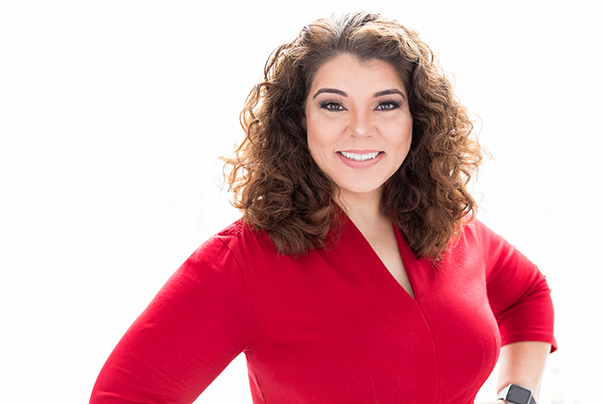
The Bigger WeHow True Listening Creates Stronger Connections Between PeopleNPR journalist and author Celeste Headlee explains how good listening can help people connect better with each other. In her book 'Do Nothing,' she talks about how modern life moves too fast and makes it hard to build real relationships. Headlee says humans became successful not because we're the strongest or smartest, but because we're good at talking and working together. She explains that we even evolved in ways that let us speak better, even though it made us more likely to choke on food. During COVID-19, when people couldn't be close to each other, this became even more important. Headlee teaches that the best way to change someone's mind isn't to argue with them, but to really listen and understand their feelings. She says every person deserves respect, even if we don't agree with their opinions. Good listening doesn't mean you agree with everything someone says. When we truly listen to others, we can build empathy and understanding. This can help heal our divided communities and bring people together, especially during hard times like the pandemic.
The Bigger WeHow to Listen Better: FAQ GuideThis FAQ guide teaches people how to become better listeners in all areas of life. It explains that listening is the art of helping others think and feel out loud. Good listening helps you connect with people, learn from them, and avoid arguments. The guide covers common questions like what makes someone a good listener, how to show empathy, and why giving advice isn't always helpful. It explains that listening requires paying attention, understanding others, asking questions, and showing care. The guide says anyone can learn to listen better with practice and training. It includes tips for businesses, relationships, and personal growth. The author learned these skills while volunteering at a crisis center and now teaches listening through books and online courses. The guide emphasizes that good listening starts with caring about others and putting their needs first.
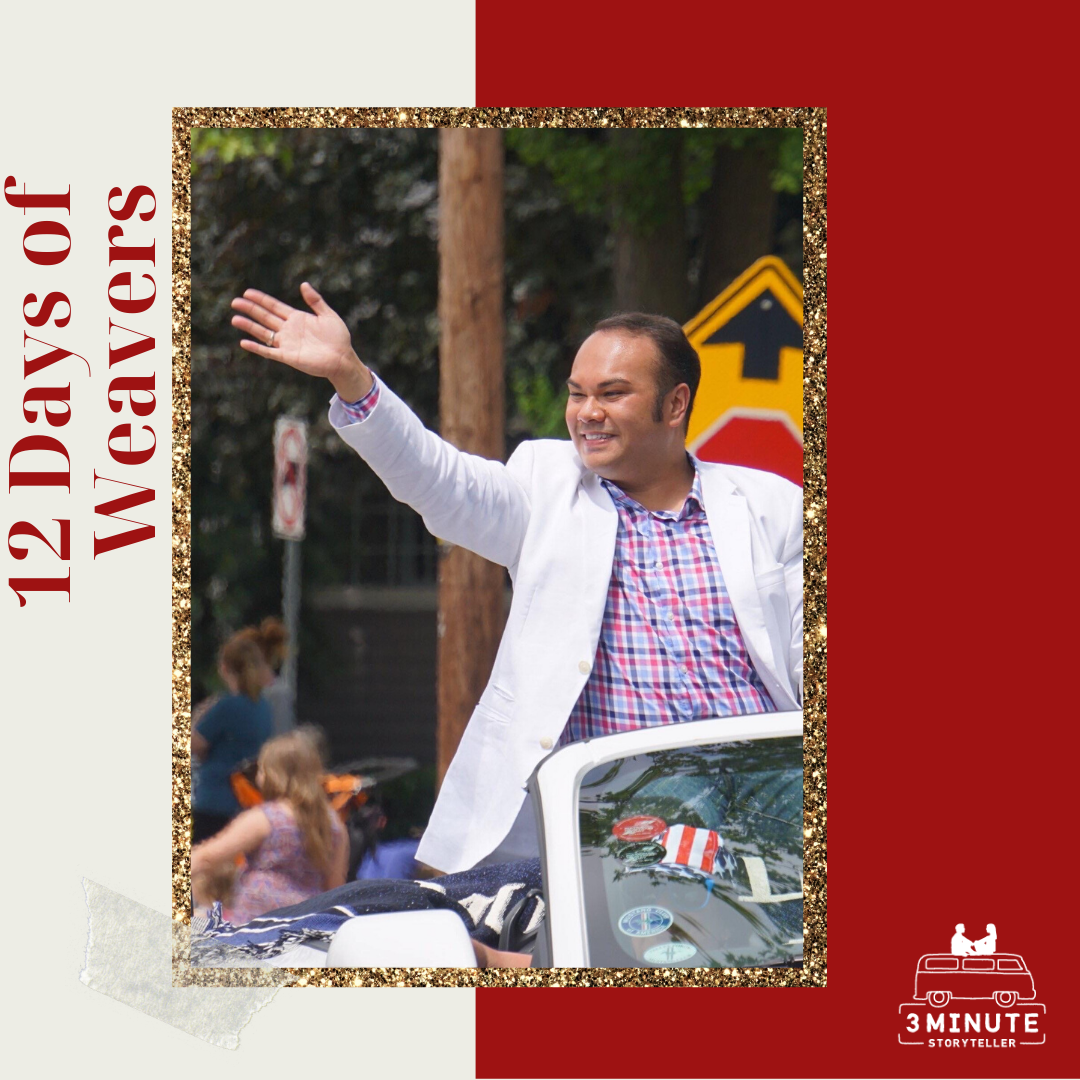
The Bigger WeStories of Community Builders Who Weave Neighbors TogetherThis article shares inspiring stories of three community builders from Phoenixville, PA who found ways to connect neighbors and strengthen their town. Maddie Goodwin started PXV Gives after the Women's March to help people find volunteer opportunities with local nonprofits. Julie Miller, an English teacher for immigrants, created a Spanish library and builds bridges between immigrant families and the community. Teresa Haag paints murals that bring beauty to the town and create spaces for neighbors to share stories. These 'weavers' show how regular people can make their communities stronger by building relationships and helping others get involved. Their work demonstrates that lasting change happens when neighbors know and care for each other. The stories are part of a series celebrating everyday people who create positive change in their communities through small but meaningful actions.
Also part of these destinations
Go deeper
The Change Lab 2025 Annual Report: Building Civic Infrastructure Through Community Connection
“ THE CHANGE LAB A community of practice 2025 ANNUAL REPORT THE CHANGE LABthechangelab.net · A fiscally sponsored project of Impact Hub Houston · Page 1 of 2 We connect by serving and learning toget...”
p. 1Read more →
Social Connection in America: 2025 Survey Report on Community Bonds and Well-Being
“ 2025 Survey Report About This Project This survey will catalyze a broad and lasting impact—transforming how we define, prioritize, and support social connection in America. This survey is led by D...”
p. 1Read more →
The Connection Opportunity: Building Bridges Across Difference in America
“ March 2025 Insights for Bringing Americans Together Across Difference The Connection Opportunity 2More in CommonThe Connection Opportunity ABOUT MORE IN COMMON The report was conducted by More in ...”
p. 1Read more →