guide · Families
Families
Tools to Plan Better Youth Mentoring Programs
The National Mentoring Resource Center offers free tools to help organizations create better mentoring programs for young people. They provide downloadable examples of logic models and theories of change for different types of mentoring programs. These include one-on-one mentoring, group mentoring, career exploration, and programs for youth in foster care or juvenile justice. Logic models show how a program's resources and activities lead to positive changes in youth. Theories of change explain exactly how mentoring helps young people improve their attitudes, behaviors, and achievements. The examples cover programs for elementary through high school students and focus on different goals like academic support, mental health, and whole child development. Organizations can use these templates as starting points and customize them for their local needs. The center also offers free technical assistance to help programs use these tools effectively. They have measurement guides to track youth outcomes. These resources help prevent organizations from starting from scratch and align new programs with research-proven approaches.
March 11, 2026·nationalmentoringresourcecenter.org

Article
The National Mentoring Resource Center offers free tools to help organizations create better mentoring programs for young people. They provide downloadable examples of logic models and theories of change for different types of mentoring programs. These include one-on-one mentoring, group mentoring, career exploration, and programs for youth in foster care or juvenile justice. Logic models show how a program's resources and activities lead to positive changes in youth. Theories of change explain exactly how mentoring helps young people improve their attitudes, behaviors, and achievements. The examples cover programs for elementary through high school students and focus on different goals like academic support, mental health, and whole child development. Organizations can use these templates as starting points and customize them for their local needs. The center also offers free technical assistance to help programs use these tools effectively. They have measurement guides to track youth outcomes. These resources help prevent organizations from starting from scratch and align new programs with research-proven approaches.
Read the full guide
We found this for you at nationalmentoringresourcecenter.org
AI Summary
Let us break this down in plain language.
Related

VoiceLeadership Houston: Training Leaders to Make Houston BetterLeadership Houston is a special program that has been training community leaders since 1982. It brings together professionals from all kinds of jobs and backgrounds to learn about Houston's biggest challenges and how to solve them. The program lasts 10 months and covers important topics like healthcare, education, energy, fairness, and public safety. Participants meet with city decision-makers and build friendships across different industries and viewpoints. The goal is to create leaders who know more about their city and want to take action to help. Over 2,000 people have graduated from this program and continue working together on projects that make Houston stronger, more welcoming, and better prepared for challenges. Leadership Houston also offers community projects where groups work on real problems, leadership events that bring people together to discuss urgent issues, and ways for graduates to stay connected. The program focuses on bringing different people together, understanding how systems work, telling powerful stories, building community, and having respectful conversations even when people disagree. This helps create the kind of informed, connected leadership that can make real change happen in Houston.
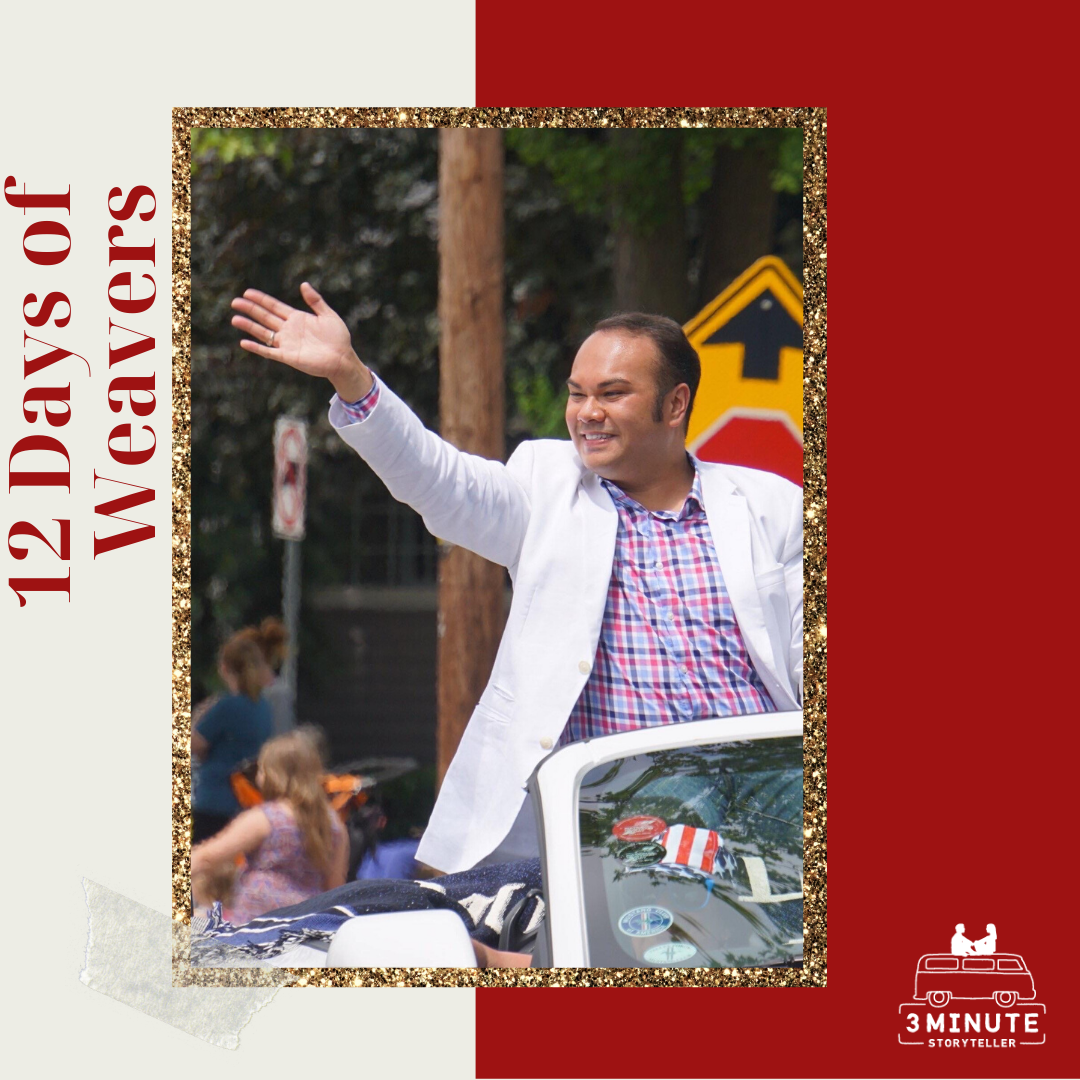
The Bigger WeStories of Community Builders Who Weave Neighbors TogetherThis article shares inspiring stories of three community builders from Phoenixville, PA who found ways to connect neighbors and strengthen their town. Maddie Goodwin started PXV Gives after the Women's March to help people find volunteer opportunities with local nonprofits. Julie Miller, an English teacher for immigrants, created a Spanish library and builds bridges between immigrant families and the community. Teresa Haag paints murals that bring beauty to the town and create spaces for neighbors to share stories. These 'weavers' show how regular people can make their communities stronger by building relationships and helping others get involved. Their work demonstrates that lasting change happens when neighbors know and care for each other. The stories are part of a series celebrating everyday people who create positive change in their communities through small but meaningful actions.
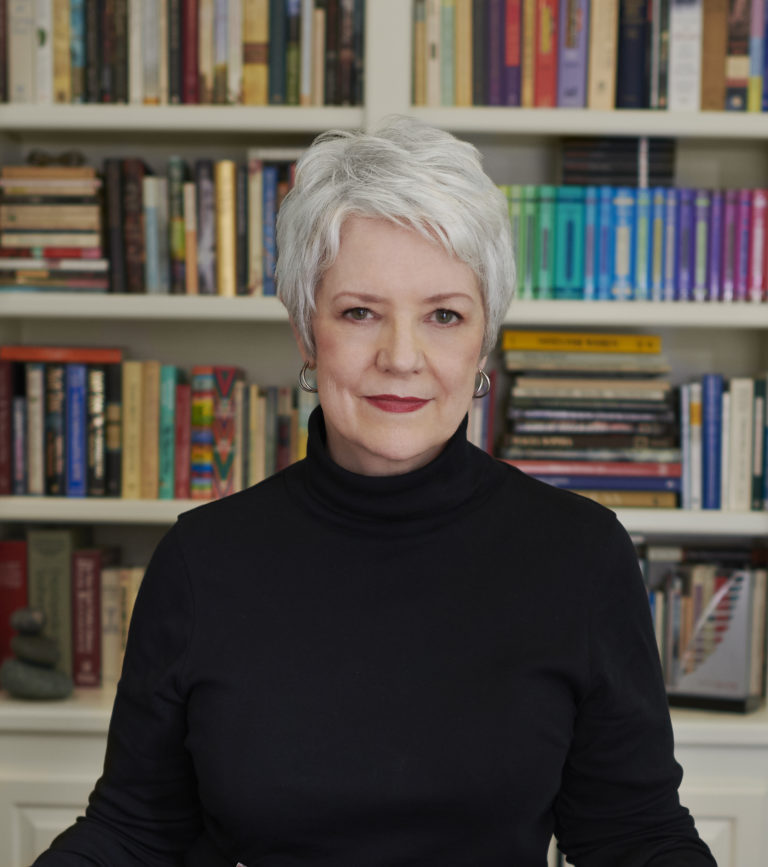
The Bigger WeAuthor Sue Monk Kidd on Finding Support to Live Your True SelfFamous author Sue Monk Kidd talks about how we need both personal strength and support from others to live our fullest lives. She wrote bestselling books like 'The Secret Life of Bees' and shares how her own journey from traditional Southern Baptist wife to successful author required both inner work and help from friends. In her latest book 'The Book of Longings,' she tells the story of Ana, who she imagines as Jesus's wife, and how Ana needs her Aunt Yaltha's support to find courage. Kidd believes we can't transform ourselves alone - we need what she calls 'Aunt Yalthas' in our lives, people who believe in us and bless our potential. She says American culture teaches us to be independent, but real growth happens in relationships. During tough times like COVID-19 and racism, we need each other even more. The key is finding people who support your dreams while also being willing to support others. This balance of personal growth and community support helps us become who we're meant to be.

The Bigger WeHow to Listen Better: FAQ GuideThis FAQ guide teaches people how to become better listeners in all areas of life. It explains that listening is the art of helping others think and feel out loud. Good listening helps you connect with people, learn from them, and avoid arguments. The guide covers common questions like what makes someone a good listener, how to show empathy, and why giving advice isn't always helpful. It explains that listening requires paying attention, understanding others, asking questions, and showing care. The guide says anyone can learn to listen better with practice and training. It includes tips for businesses, relationships, and personal growth. The author learned these skills while volunteering at a crisis center and now teaches listening through books and online courses. The guide emphasizes that good listening starts with caring about others and putting their needs first.
FamiliesEducation Tech Company Allelo Makes Top 200 in Big ContestAllelo, an education technology company from Pittsburgh, was chosen as one of 200 finalists in a major startup contest called the GSV Cup. This contest is the world's biggest competition for education technology companies, with over $1 million in prizes. Allelo beat out more than 750 other companies from around the world to make it to this level. The company creates tools that help students have better online discussions and conversations in their classes. Teachers can use Allelo's artificial intelligence features to see how well students participate and stay on topic during online discussions. The company was started by engineering students from Carnegie Mellon University. Now they will compete at a big education conference in San Diego for the chance to win cash prizes and investment money. The contest shows how technology is changing education, especially after the pandemic made online learning more important. More than half of the winning companies have female founders, and many are led by people of color, showing growing diversity in the tech industry.
Also part of these destinations
Go deeper
Social Connection in America: 2025 Survey Report on Community Bonds and Well-Being
“ 2025 Survey Report About This Project This survey will catalyze a broad and lasting impact—transforming how we define, prioritize, and support social connection in America. This survey is led by D...”
p. 1Read more →
Sense of Achievement, Belonging, and Connectedness: Social Support Study in Houston Area
“ Sense of Achievement, Belonging, and Connectedness The Role of Loneliness, Connections, and Social Support in Adults’ Life Satisfaction, Purpose, and Self-Efficacy in the Houston Area Daniel Potte...”
p. 1Read more →
Recipes for Connection: Inspiring Social Connection One Bite at a Time
“ Recipes for I n s p i r i n g a t a t i m e s o c i a l c o n n e c t i o n o n e b i t e 1 Recipes for Connection Inspiring social connection one bite at a time Letter from the U.S. Surgeon Gener...”
p. 1Read more →