Houston Wilderness
Houston Wilderness is a nonprofit organization dedicated to protecting, preserving, and promoting the ten ecoregions in the Greater Houston Area: providing problem solving on initiatives like the Sam Houston Greenbelt Network, Convening our network partners for our collaborative ...

Services
3 availableNative Seed Mix for Large PropertiesThis program helps large property owners replace non-native grass with native Texas plants. The native seed mix includes 12 plant species that grow well in Southeast Texas weather. These plants survive better than regular grass and help the environment. Property owners can buy seeds from Texas growers and get help from experts. The program also has a group called RANSM Coalition that helps large landowners work together. Small property owners can use the seeds too, but the program is designed for big projects like parks and developments.Riverine Flood Prevention and Land Restoration ProgramThis program helps protect communities from flooding by buying flood-prone properties along rivers and creeks. The organization works with counties to purchase these properties, then turns them into natural green spaces with native plants and trees. These restored areas help absorb flood water, clean the air and water, and create safe outdoor spaces. The program especially helps communities that face environmental challenges and flooding risks. They also teach other agencies how to use these nature-based solutions.Collaborative Grant Organizing ProgramHouston Wilderness helps environmental groups and community partners work together to get funding for nature projects. They provide research help, assist with writing grant applications, and teach bookkeeping skills using QuickBooks software. The program focuses on projects that help the environment in the Houston area, like planting native trees, restoring wetlands, and creating natural flood control systems. Since 2013, they have helped secure over $2.5 million for environmental projects. Organizations can partner with them to apply for grants from government agencies and foundations for nature-based infrastructure and restoration work.
Latest

Houston Wilderness Environmental Programs Help Communities & NatureHouston Wilderness runs several big programs to protect and restore nature around Houston and the Gulf Coast. Their main projects include: 1) The Gulf-Houston Regional Conservation Plan, which brings together businesses, environmental groups, and government to protect 10 different ecosystems across 13+ counties. 2) The Super Trees for Sustainability Initiative, which plants native trees to fight pollution, flooding, and extreme heat. 3) The Houston Ship Channel TREES program, aiming to plant 1 million native trees along the 25-mile ship channel by 2030. 4) The Riverine Buyouts program, which buys flood-prone homes and turns them into natural areas with trees and wetlands. 5) The Great Green Quest, which gives thousands of students wilderness passports to explore outdoor spaces. These programs help clean air and water, reduce flooding, store carbon, provide wildlife habitat, and cool down hot urban areas. Houston Wilderness works with many partners including health departments, schools, businesses, and local governments to make the Houston region more resilient to climate change while protecting its diverse natural areas like coastal prairies, forests, wetlands, and waterways.Mar 11, 2026
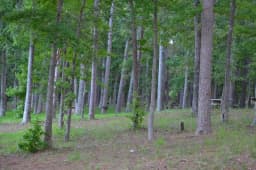
Learn About the Piney Woods Forest Near HoustonThe Piney Woods is a special forest area located 50 miles north of Houston. The Sam Houston National Forest covers 163,037 acres across Montgomery, Walker, and San Jacinto counties. This forest is home to loblolly and shortleaf pine trees on ridgetops, with hardwood trees along creek channels. The area provides habitat for endangered species like the Red-cockaded Woodpecker and Bald Eagles. Visitors can enjoy hiking, camping, fishing, bird watching, and horseback riding. The forest includes the 128-mile Lone Star Hiking Trail, which is the longest continuous hiking trail in Texas. The Piney Woods is part of what was once a huge pine forest that stretched from East Texas through Mississippi. Popular wildlife includes deer, squirrels, quail, and doves. The forest drains into the San Jacinto River and Lake Livingston. Winter and spring are the best times to visit because of the mild weather. This ecosystem is important for conservation and provides many outdoor recreation opportunities for Houston area residents.Mar 11, 2026
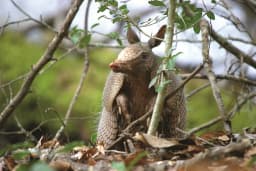
Big Thicket: Texas's Amazing Nature PreserveThe Big Thicket is one of Texas's most important nature areas, covering over 113,000 acres in East Texas. Called an 'American ark' and 'the biological crossroads of North America,' this special place is home to an incredible variety of plants and animals. Over 1,300 types of plants grow here, along with 300 bird species, 86 reptiles and amphibians, and 60 mammals. The area includes swamps, forests, plains, and dry hills all in one place, creating perfect conditions for this amazing biodiversity. Established as a National Preserve by Congress in 1974, the Big Thicket attracts over 255,000 visitors each year who come to hike, camp, bird-watch, fish, and explore nature. The preserve includes nine land units and six water units with over 300 miles of waterways. Visitors can see everything from orchids to cactuses, beech trees to bald cypress, and roadrunners to alligators. The area has deep historical importance too - it was once underwater millions of years ago and was home to giant sloths and mastodons 10,000 years ago. Today, Alabama and Coushatta tribes live on a 4,300-acre reservation in the area. Houston Wilderness promotes this and nine other ecoregions around Houston to help people learn about and protect these natural treasures.Mar 11, 2026
Houston's Ten Nature Areas ExplainedHouston sits in one of the most nature-rich big cities in America. The area has ten different ecoregions - special areas with unique plants, animals, and environments. Seven are on land: Big Thicket forests, Piney Woods, Trinity and Columbia river bottoms, Prairie grasslands, Post Oak Savannah, and Bayou Wilderness. Three are water-based: Coastal Marshes, Gulf of Mexico, and Estuaries and Bays. Each ecoregion has different types of soil, plants, and wildlife that make Houston's nature special. Houston Wilderness is a group that brings together businesses, environmental groups, and government to protect these ten areas. They teach people about local nature, solve environmental problems, and work to save these important places. You can learn more about each ecoregion, download guides about local soil and biodiversity, and find out about native trees that help the environment. The organization also offers volunteer opportunities for tree planting and hosts events to connect people with Houston's natural world.Mar 11, 2026

Free Guide to Help Monarch Butterflies in TexasHouston Wilderness offers a free step-by-step guide to help people create and care for pollinator habitats in Texas. This guide focuses on the Texas Monarch Flyway Strategy, which helps protect monarch butterflies during their migration through Texas. The guide teaches you how to plant the right flowers and plants that monarch butterflies and other pollinators need to survive. You can download the guide for free to learn how to make your yard or community space more butterfly-friendly. The organization also provides additional resources about regional trees, soil information for the Gulf Coast area, and biodiversity maps. Houston Wilderness is located on Brittmoore Road and you can contact them by phone or email for more information. This is a practical resource for anyone who wants to help protect monarch butterflies and create pollinator gardens in the Houston area and throughout Texas.Mar 11, 2026
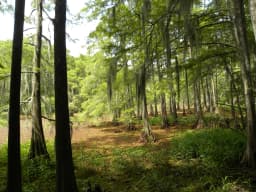
Trinity Bottomlands: Houston's Hidden Wetland ParadiseThe Trinity Bottomlands is a 25,000-acre wetland forest along the Trinity River that serves as one of Houston's most important wildlife areas. This special place is home to over 275 bird species, 650 different plants, and nearly 1,000 types of butterflies and moths. The area includes cypress swamps, oxbow lakes, and hardwood forests that provide crucial habitat for migrating birds along the Central Flyway. Visitors can enjoy activities like birdwatching, fishing, hiking, and boating at sites like Trinity River National Wildlife Refuge and Lake Houston Wilderness Park. The bottomlands stretch from San Jacinto County to Chambers County, with the heart located in Liberty County. This ecosystem is vital for Houston's water supply, as over 22 reservoirs around the Trinity River provide much of the city's water. The area supports endangered species like Bald Eagles and Brown Pelicans, and offers excellent opportunities to see wildlife like alligators, white-tailed deer, and rare bat colonies. Houston Wilderness, a partnership of businesses, environmental groups, and government agencies, works to protect this and nine other local ecosystems through education and conservation efforts.Mar 11, 2026
Organization Details
LocationHouston, TX
Service AreaGreater Houston