Othering & Belonging Institute University
Learn to build a world where everyone belongs. Take free classes with the Othering & Belonging Institute at UC Berkeley, the experts in helping changemakers from around the world build more just and inclusive communities.

Services
4 availableIntroduction to Othering & Belonging's Key FrameworksThis is an online course that teaches about othering and belonging - how some people get left out while others feel included. You'll learn the main ideas from the Othering & Belonging Institute through videos and writing exercises. The course covers what the institute does, how othering and belonging work, and how governments and companies can help create belonging. It takes about 40 minutes to watch the videos, plus optional extra time. Anyone can take this free course to understand these important ideas about making society more fair and inclusive.Targeted Universalism Course Part 2: Stages of TUThis online course teaches you how to identify barriers that affect different groups of people and create specific strategies to help each group. You'll learn through real examples and case studies from professionals who use targeted universalism in their work. The course has 85 minutes of videos and 3 writing exercises. You get a certificate when you finish. Perfect for people who want to learn how to make fair solutions that help everyone reach the same goals.OBI University Online CoursesOBI University offers online classes about building fair and inclusive communities. The courses use videos, activities, and real examples to teach about belonging and fighting racism. You can learn at your own pace and earn certificates to share on social media. Topics include targeted universalism and bridging differences. New courses are added regularly. You need to sign up for an account to access the classes.How to Bridge Online CourseThis free online course teaches you how to have better conversations with people who think differently than you. You'll learn from experts about asking good questions, talking to strangers, and understanding different viewpoints. The course includes videos, writing exercises, and practical tips you can use in tough conversations. It takes about 1 hour to complete and you get a certificate when you finish. Perfect for anyone who wants to build bridges between different groups of people.
Latest
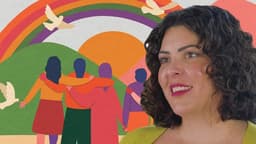
Learn About Targeted Universalism: Making Systems Work for EveryoneThis free online course teaches you about Targeted Universalism (TU), a framework created by UC Berkeley's Othering & Belonging Institute. TU helps communities create new systems that work for everyone, not just some people. The 45-minute video course explains TU's five stages and shows how it can be used in schools, nonprofits, businesses, and government. You'll hear from practitioners who use TU in their work and learn how it's different from other approaches. The course is taught by Ashlin Malouf-Gashaw, who has years of experience in community organizing. TU goes beyond just including people in existing broken systems - it helps communities build entirely new structures designed to serve all people fairly. This is perfect for anyone curious about equity frameworks and how to create more inclusive organizations and policies.Mar 11, 2026

Learn How to Help Everyone by Understanding Their Different NeedsThis is the second part of a free online course about 'Targeted Universalism' - a way to help everyone in a community while recognizing that different groups need different kinds of help. The course is 68 minutes long and teaches three main ideas. First, you learn how to set goals that benefit everyone in a community. Second, you discover how to measure how far different groups are from reaching those goals. Third, you explore how people doing this work can prepare themselves mentally and emotionally. The course uses real examples from schools, charities, and community groups to show how this approach works. It includes videos and writing exercises to help you learn. The course is taught by experts from UC Berkeley who study how to create fair and inclusive communities. You can take this course online anytime, and it's designed for people who want to learn better ways to help their communities solve problems that affect everyone.Mar 11, 2026

Free Course on Targeted Universalism - Learn How to Help EveryoneThis is a free online course about targeted universalism, a way to help everyone by focusing on those who need help most. The course is taught by experts from UC Berkeley who study how to make society fairer. Targeted universalism means creating policies that help everyone but pay special attention to groups that face the biggest barriers. For example, making sure all kids can read well by giving extra help to schools in poor neighborhoods. The course includes 4 hours of videos, reading materials, panel discussions, and podcasts. You can learn at your own pace without a teacher guiding you. This is the fourth part of a series - you can take it alone or with the other courses. The teachers include john a. powell, a famous civil rights expert, and Ashlin Malouf-Gashaw, who has worked for 18 years helping communities organize for change. The course covers how this approach has been used in real places like Santa Rosa, California and Los Angeles County. You won't get a certificate, but you'll learn practical ways to make your community more fair and inclusive. This is perfect for community leaders, activists, government workers, and anyone who wants to understand how to create policies that truly help everyone.Mar 11, 2026

Free Course: Learn How to Bridge Differences and Build UnityThis free online course teaches you how to bridge divides between different groups of people. Created by UC Berkeley's Othering & Belonging Institute, it features conversations with famous thinkers like bell hooks and john a. powell. You'll learn what 'bridging' means - bringing people together instead of pushing them apart. The course covers why bridging is important, what 'breaking' means (how we separate from others), and how courage helps us connect across differences. It includes 110 minutes of videos, writing exercises, and a certificate when you finish. The course explores how to build communities where everyone belongs, no matter their race, gender, religion, or background. You'll learn practical skills for having difficult conversations, understanding different viewpoints, and creating positive change in your community. The instructors include experts in social justice, community organizing, and conflict resolution. This is perfect for anyone who wants to help heal divisions in their neighborhood, workplace, or society. No prior experience needed - just curiosity about bringing people together.Mar 11, 2026
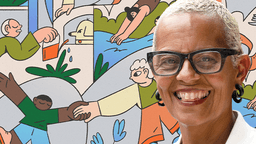
Learn How to Bridge Differences at 3 LevelsThis 35-minute online course teaches you how to bridge differences between people at three levels: individual, group, and collective. Created by UC Berkeley's Othering & Belonging Institute, the course features expert speakers including poet Joy Harjo and other thought leaders who share real stories about bridging divides. You'll learn about power imbalances, what's at stake when we don't bridge differences, and why this work is essential for our survival as communities. The course includes video lessons, writing exercises, and a certificate when you complete it. It's designed to help anyone understand how to connect across differences in race, religion, politics, and other divides that separate us. Whether you're new to this work or already involved in community organizing, this course gives you practical tools for bringing people together instead of pushing them apart. You can take it at your own pace online.Mar 11, 2026
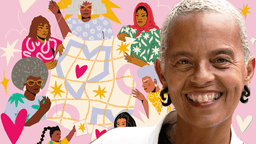
Learn About Bridging Communities Through Real StoriesThis 90-minute online course from UC Berkeley's Othering & Belonging Institute teaches how to bring different communities together through real stories. You'll hear from activists who work on bringing together Palestinians and Israelis, climate justice organizers, and people working with Indigenous and immigrant communities. The course covers three main topics: how power differences affect bringing communities together, how to build bridges between groups that historically lack power, and how to turn risks into opportunities. Students learn through videos and writing exercises from experts like Ashlin Malouf-Gashaw, who has 17+ years of community organizing experience, and Huwaida Arraf, a Palestinian-American lawyer and human rights activist. The course shows how storytelling, vulnerability, and honest conversation can help create positive change when paired with concrete strategies. Students who complete the course receive a certificate. This is part of a larger series on bridging communities and is designed for people who want to learn practical skills for bringing divided communities together through shared understanding rather than just focusing on differences.Mar 11, 2026
Organization Details
Service AreaNational